


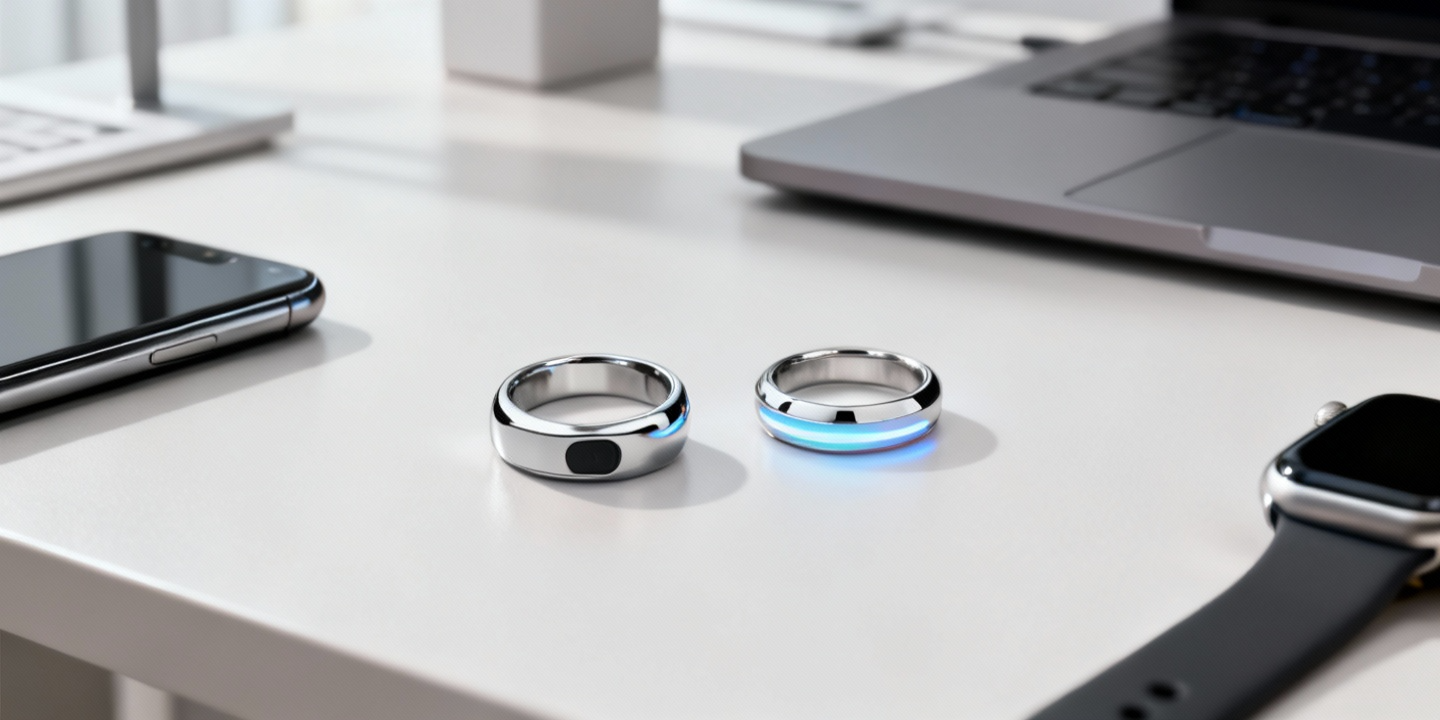
For nearly a decade, smartwatches have dominated the wearable space tracking our fitness, monitoring our heart rates, and even answering calls. But in 2025, a subtle shift is happening. A smaller, sleeker, and more discreet device is quietly making its way to your finger — the smart ring.
From Oura Ring 4 to Ultrahuman Ring Air and even Samsung’s much-hyped Galaxy Ring, the race for your finger is heating up. These compact devices promise health tracking, sleep insights, and seamless integration, all without the bulk of a watch.
So, are smart rings really the next big thing after smartwatches? Let’s explore.
What Makes Smart Rings Different?
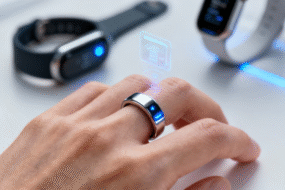
While smartwatches are great for all-day usage, they can feel bulky or intrusive, especially while sleeping or exercising. Smart rings offer a more minimal, invisible experience capturing health data passively, 24/7.
Here’s what sets them apart:
- Discreet Design: Looks like a regular ring — no screens, no distractions.
- Continuous Tracking: Always on your finger, even during sleep or workouts.
- Battery Efficiency: Most last 4–6 days on a single charge.
- Comfort & Style: Titanium builds and sleek finishes make them more wearable than watches.
Essentially, smart rings take the most-used features of smartwatches — sleep, recovery, heart rate, and readiness tracking — and pack them into a tiny, AI-driven form factor.
1. Oura Ring 4 — The Pioneer Refined
The Oura Ring 4, launched in mid-2025, continues to lead the smart ring revolution.
With improved heart rate variability (HRV) accuracy, temperature sensing, and AI-powered recovery scoring, it’s more health companion than gadget.
Key Features:
- Tracks sleep, stress, heart rate, body temperature, and readiness.
- Integrates with Apple Health, Google Fit, and Samsung Health.
- AI now suggests optimal workout and rest windows based on circadian rhythm.
- Wireless charging dock with 7-day battery life.
Why It’s Trending:
Oura has become the “Apple of smart rings,” endorsed by athletes and creators alike. In 2025, the Oura Ring 4 even introduced menstrual and fertility cycle tracking, making it the most advanced wellness ring to date.

2. Ultrahuman Ring Air — India’s Rising Star
India’s very own Ultrahuman Ring Air has taken the global stage with its fitness-first, metabolic-tracking focus.
It combines sleep tracking, movement analytics, and glucose correlation (via integration with Ultrahuman M1 glucose patch), a feature unique to the brand.
Key Features:
- Ultra-light titanium frame (just 2.4 grams).
- Tracks HRV, sleep stages, temperature, and movement index.
- Integrates metabolic data from CGM sensors for deeper insights.
- Works with both Android and iOS seamlessly.
Why It’s a Game-Changer:
It’s the first Indian wearable that competes head-to-head with global giants like Oura and Samsung, appealing to users looking for serious bio-tracking with an elegant design.
In markets like India and the Middle East, the Ultrahuman Ring Air has become synonymous with tech-savvy wellness.

3. Samsung Galaxy Ring — The Power of Ecosystem
Arguably the most awaited smart ring of 2025, the Samsung Galaxy Ring marks the entry of a major tech player into the segment.
First revealed alongside the Galaxy Z Fold 7, the ring seamlessly integrates with Samsung Health, Galaxy Watches, and Galaxy AI.
Key Features:
- Tracks heart rate, SpO2, sleep, and stress with millisecond precision.
- Smart home integration: double-tap your ring to control lights or music via SmartThings.
- AI health coaching based on lifestyle data.
- 5–6 days battery life with a sleek charging case.
Why It’s Trending:
The Galaxy Ring brings mainstream adoption to smart rings. With Samsung’s ecosystem power, it’s now easier for average users to try this new form factor without switching apps or ecosystems.

4. Other Players to Watch
- Circular Ring Slim — minimalist design with real-time notifications and haptic alerts.
- RingConn Smart Ring — budget-friendly option gaining popularity in Asia.
- Motiv Ring (Rebooted) — early entrant returning with AI-based stress insights.
Trend Insight:
The market is shifting fast — analysts predict the smart ring market will grow by 300% by 2027, driven by brands integrating health tracking into fashion-first designs.
Smart Rings vs. Smartwatches: Complement, Not Replace
Many users wonder: Will smart rings replace smartwatches?
In reality, they’re more likely to coexist.
AI and Health: The New Wearable Frontier
Smart rings are part of the AI-powered health revolution.
Unlike traditional wearables, these devices don’t just collect data — they interpret it intelligently.
For example:
- Oura’s AI detects sleep debt and recommends bedtime changes.
- Ultrahuman’s algorithms correlate metabolic response with movement.
- Samsung’s Galaxy AI merges ring data with phone sensors to offer holistic wellness advice.
This integration means personal health dashboards are getting smarter, not just prettier.

Design and Fashion: Where Tech Meets Style
Let’s face it — a smartwatch still looks like tech. But a ring? That’s wearable fashion.
With titanium, ceramic, and matte finishes, smart rings blend seamlessly with everyday wear — no blinking screens or fitness-watch vibes.
Expect to see fashion-tech collaborations soon, with brands like TAG Heuer, Fossil, and even Gucci exploring luxury smart rings as status symbols for the digital age.
Challenges Ahead
Of course, the transition isn’t without hurdles.
- Limited input methods (no screens or gestures).
- Data accuracy can fluctuate based on finger size or temperature.
- High pricing — most cost between ₹25,000 to ₹40,000.
However, as sensors miniaturize and AI models improve, these challenges are expected to fade — just as they did with early smartwatches.
Conclusion: The Finger is the Future
In 2025, smart rings represent the next leap in wearable evolution — smaller, smarter, and more seamless.
While smartwatches will continue to dominate for now, rings are quickly carving a niche for those who value health insights without distraction.
With giants like Samsung, innovators like Oura, and disruptors like Ultrahuman, it’s clear — the future of wearables might just fit on your finger.











No Comments